Condition review
Examining the visible failure, its extent and nearby details before defining the physical repair work.
Build, repair and restore masonry with attention to strength, weathering and appearance. SG Construction carries out natural stonework, brickwork, repointing, wall repairs and structural openings across Somerset and surrounding areas.
Cracking, open joints and failing lintels are not details to cover over. Masonry defects need to be understood in context: where movement or water is entering, how the wall is constructed and whether the proposed repair is compatible with the existing brick or stone.
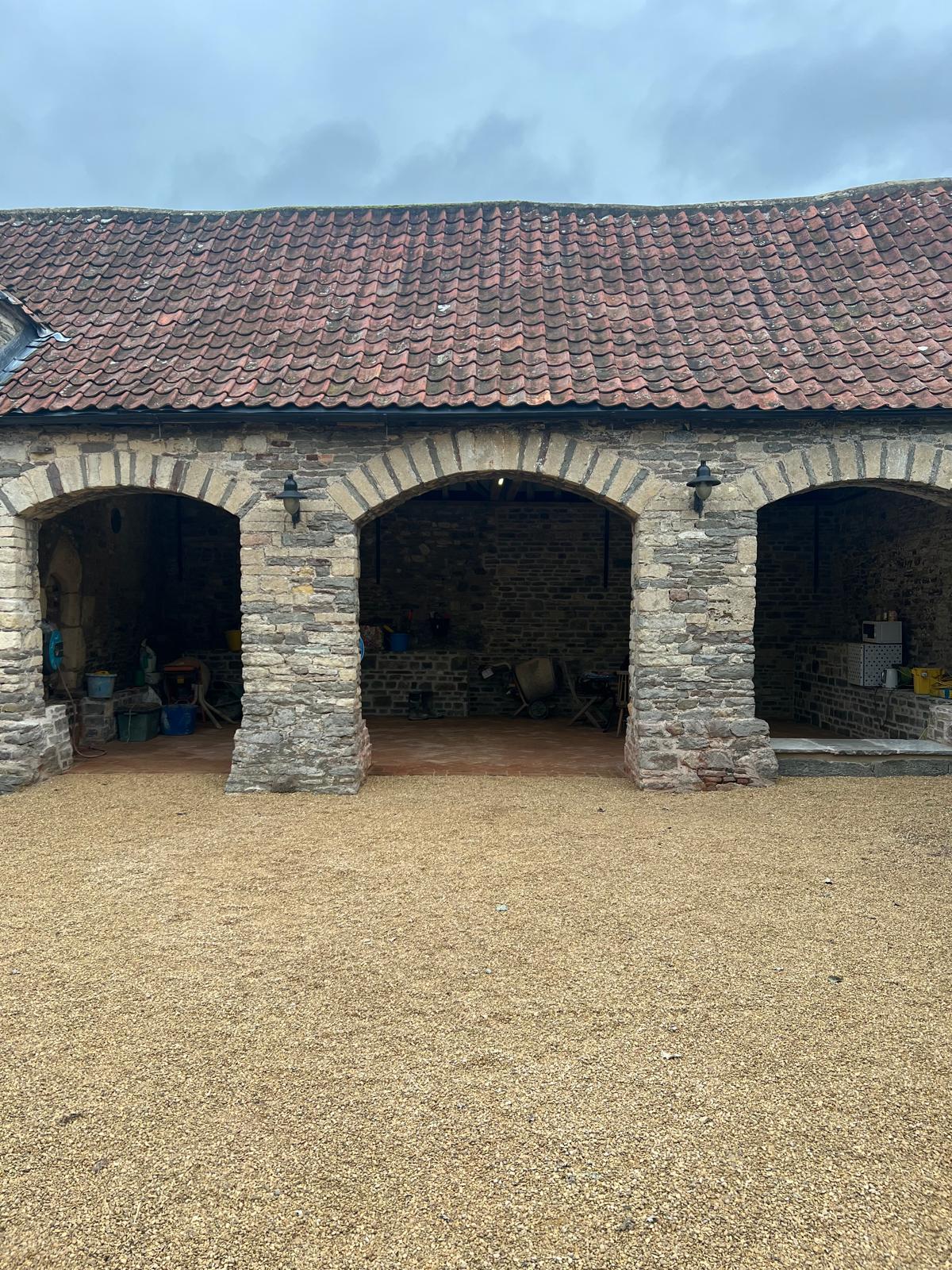
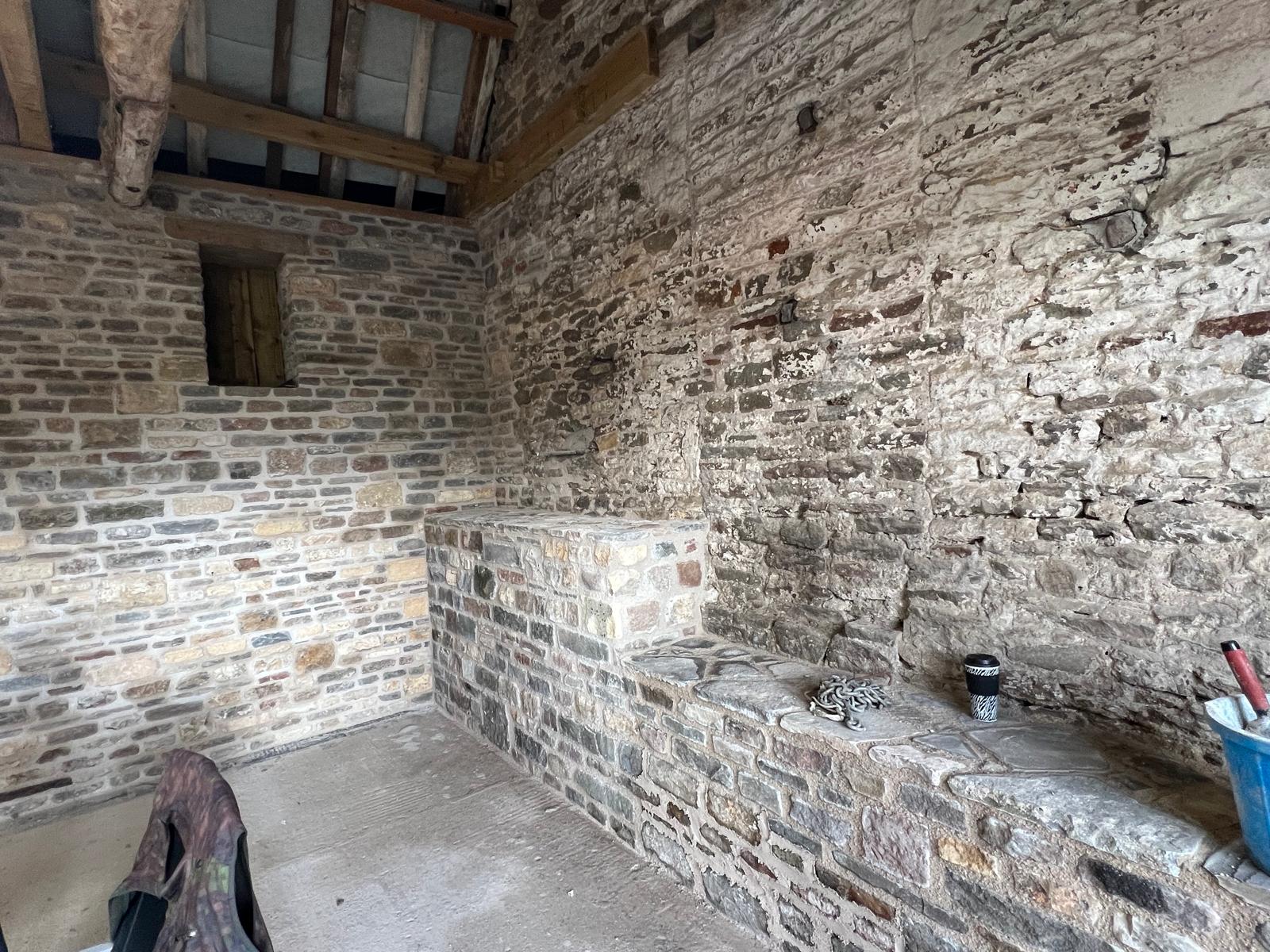
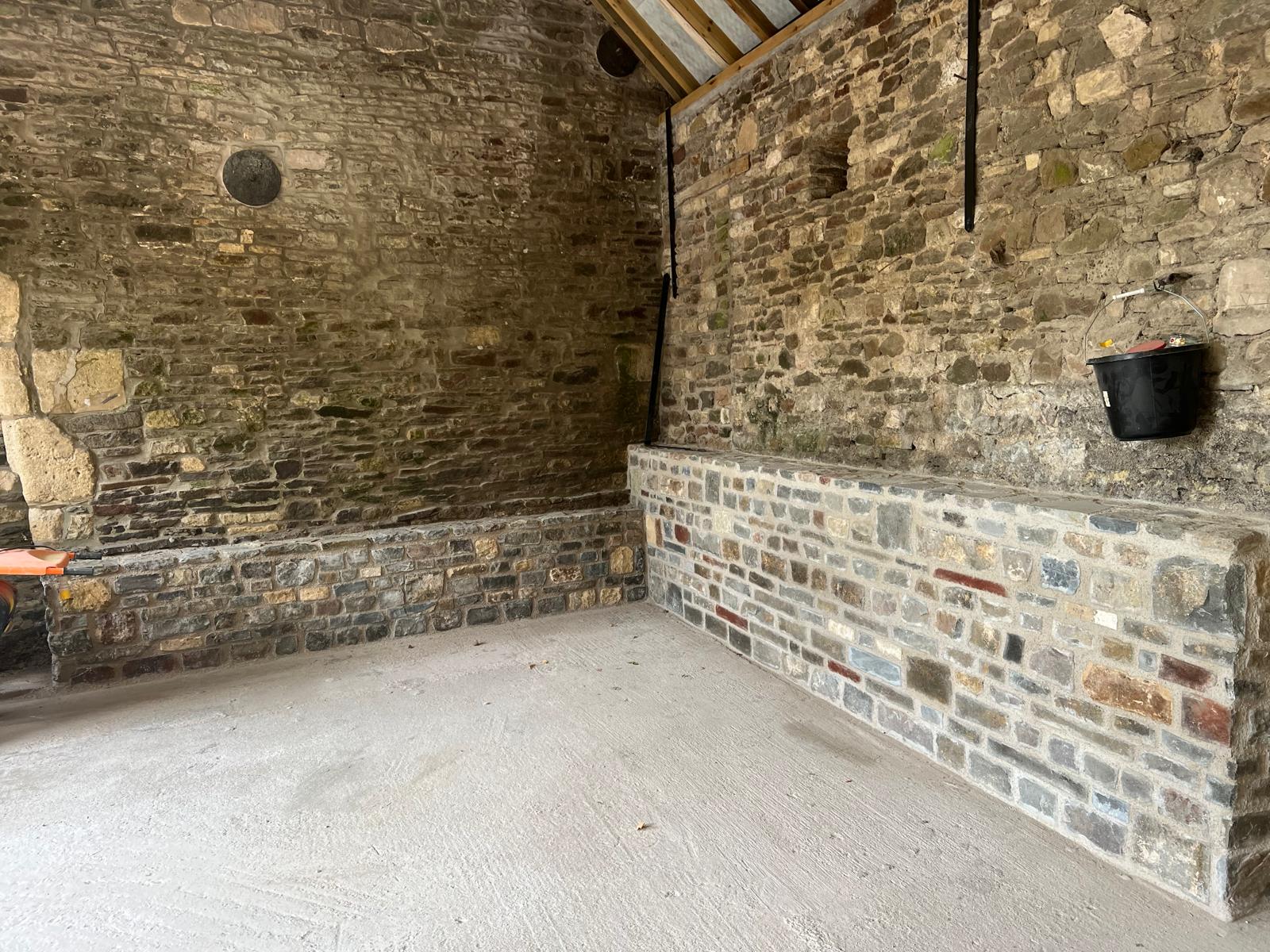
SG Construction’s work includes natural stone walls and outbuildings, reclaimed floor details, widespread mortar-joint restoration and the replacement of failed original stone lintels. The method changes with the material, condition and structural role.
A first conversation can identify the visible symptoms, but structural movement or concealed failure may require input from a structural engineer or other relevant professional. The construction scope should follow appropriate diagnosis rather than assuming every crack has the same cause.
A varied selection from SG Construction project photography, covering external stonework, openings and reclaimed internal finishes.
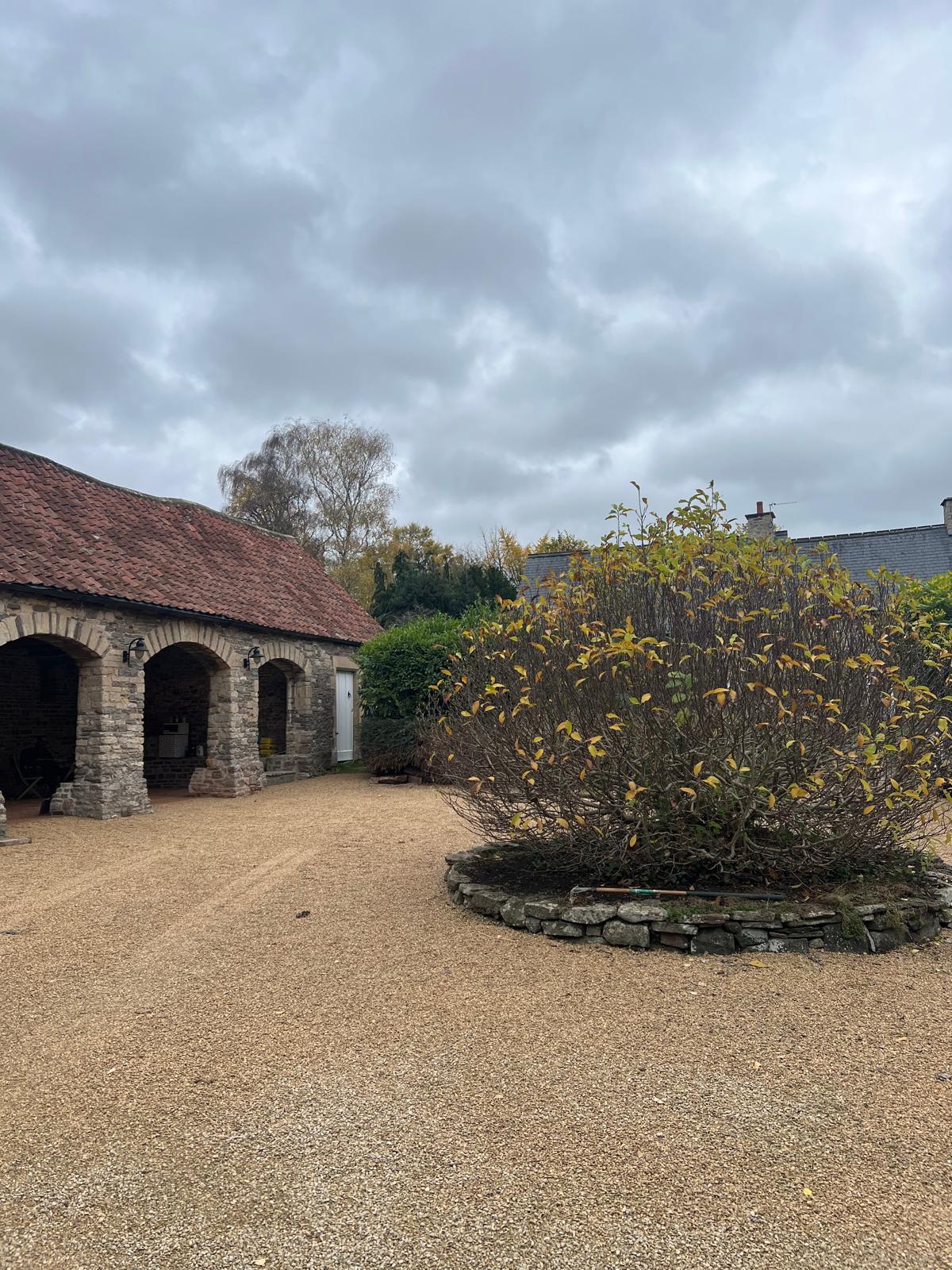
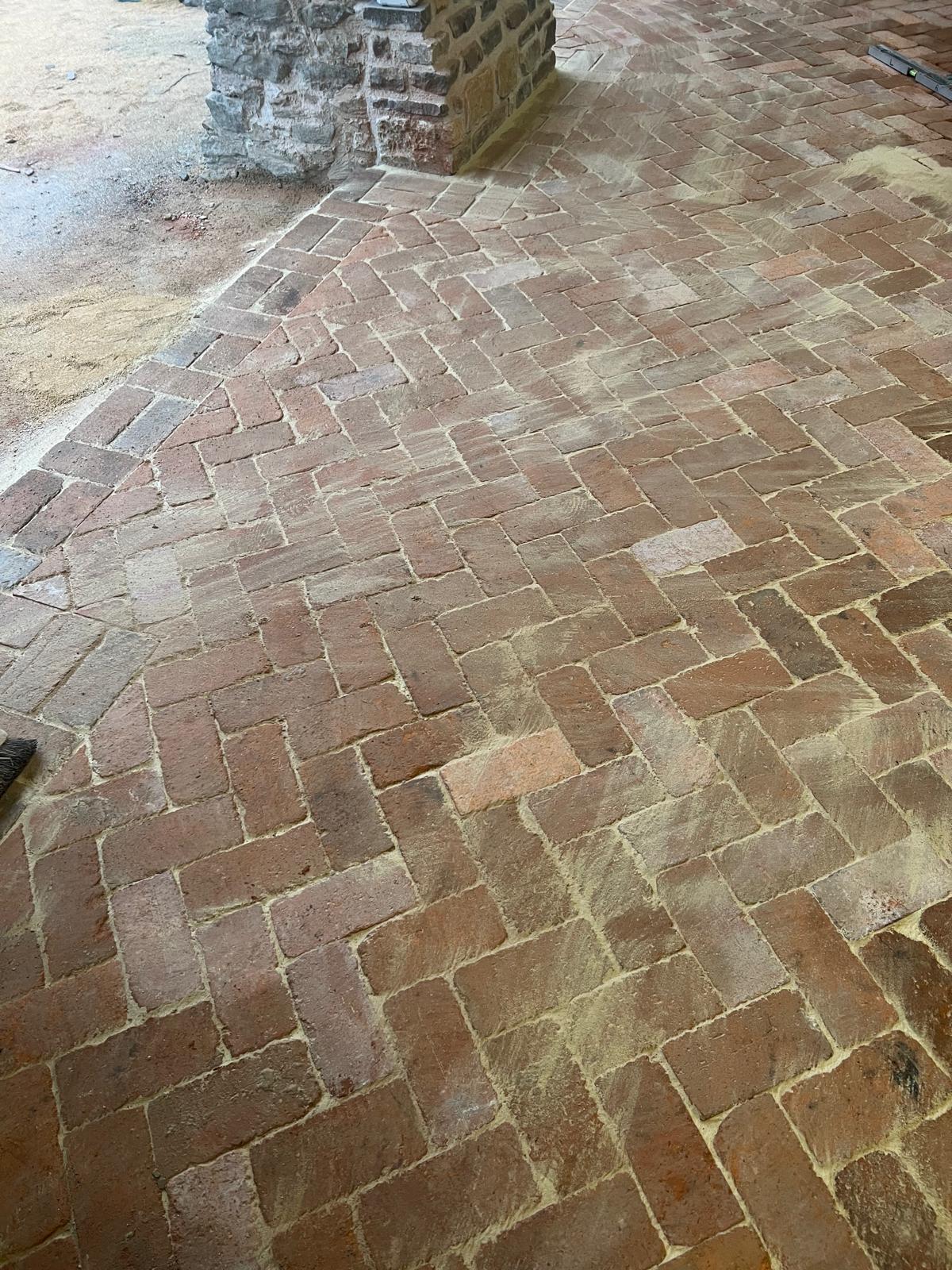
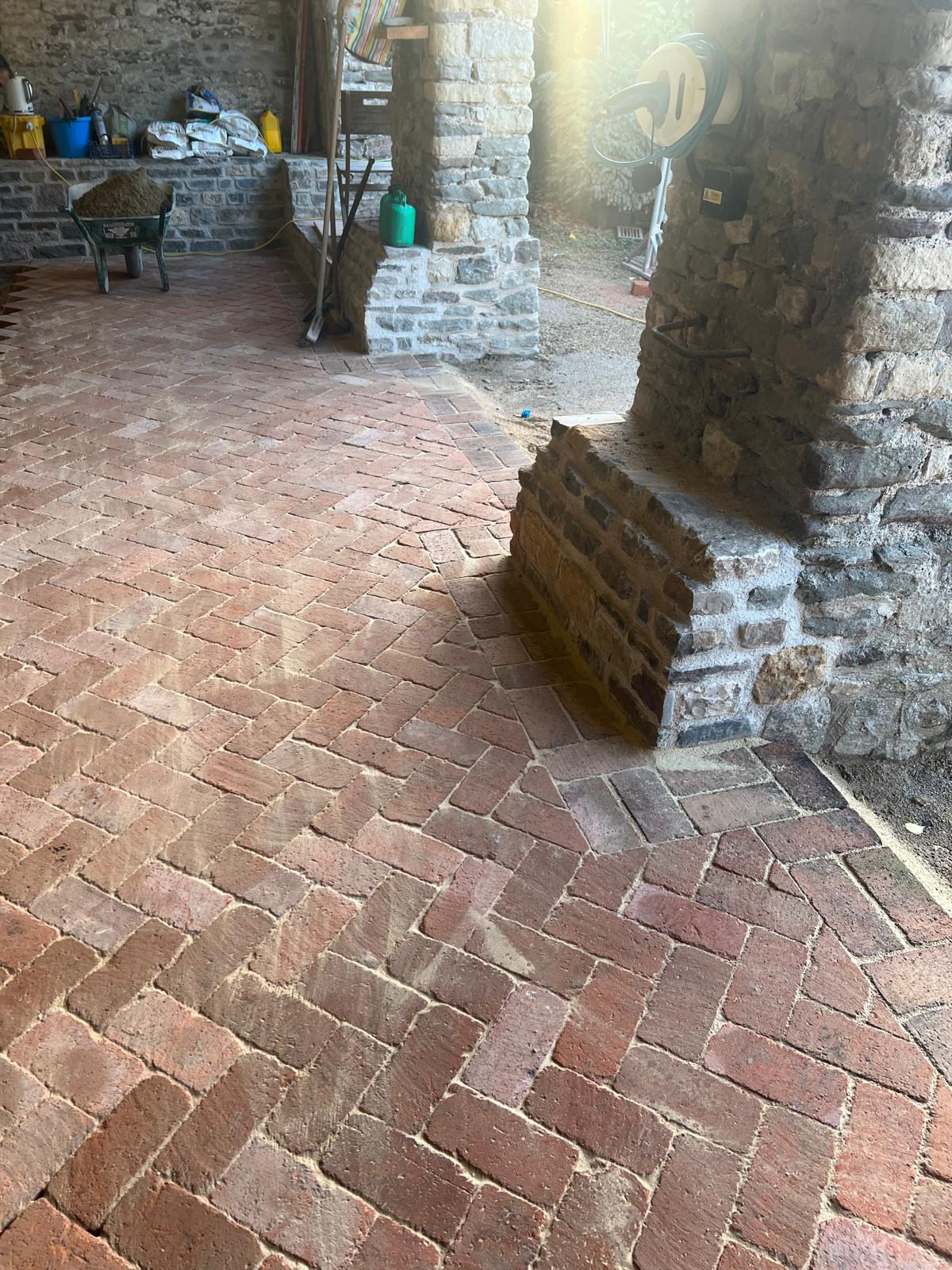
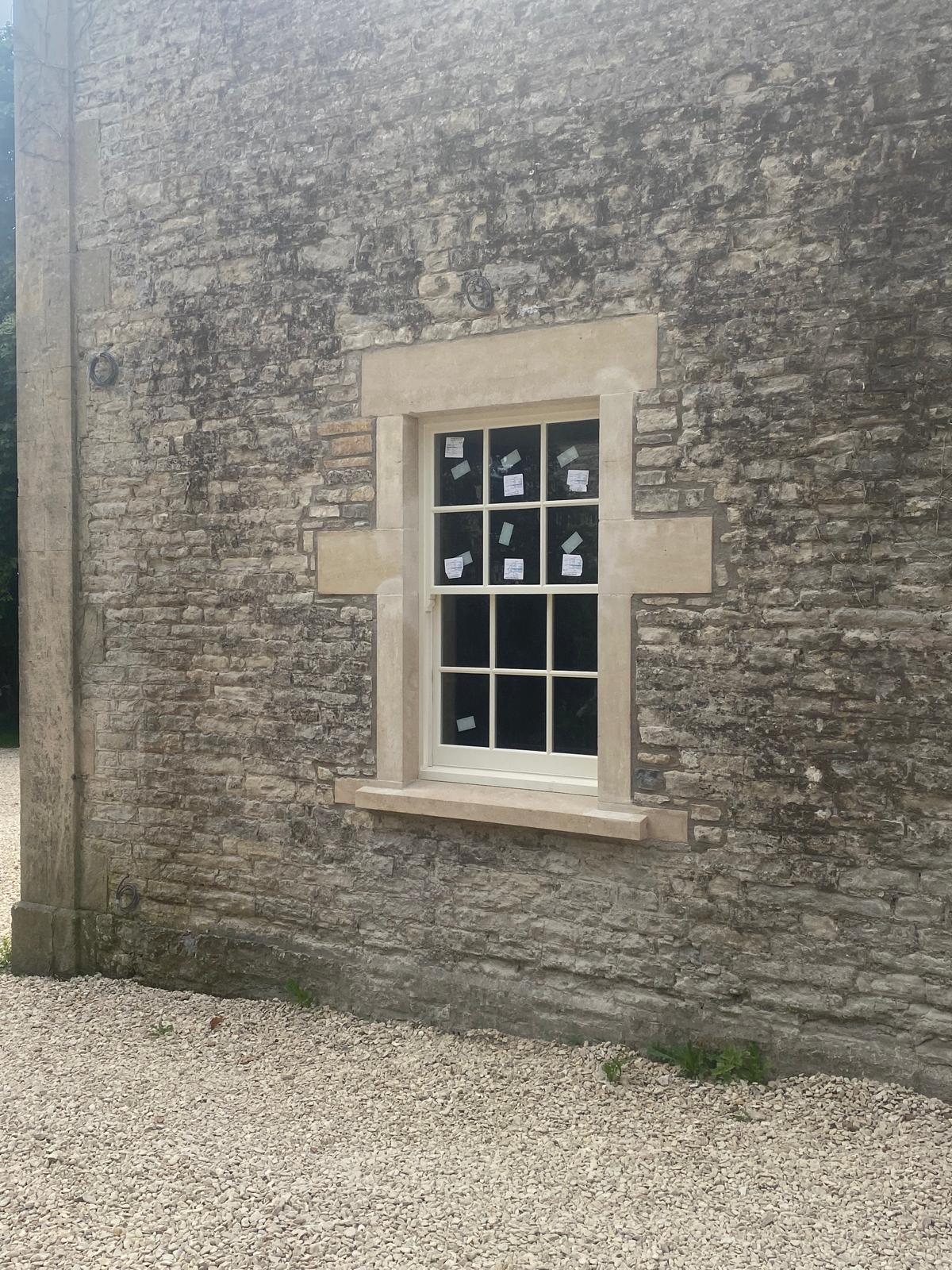
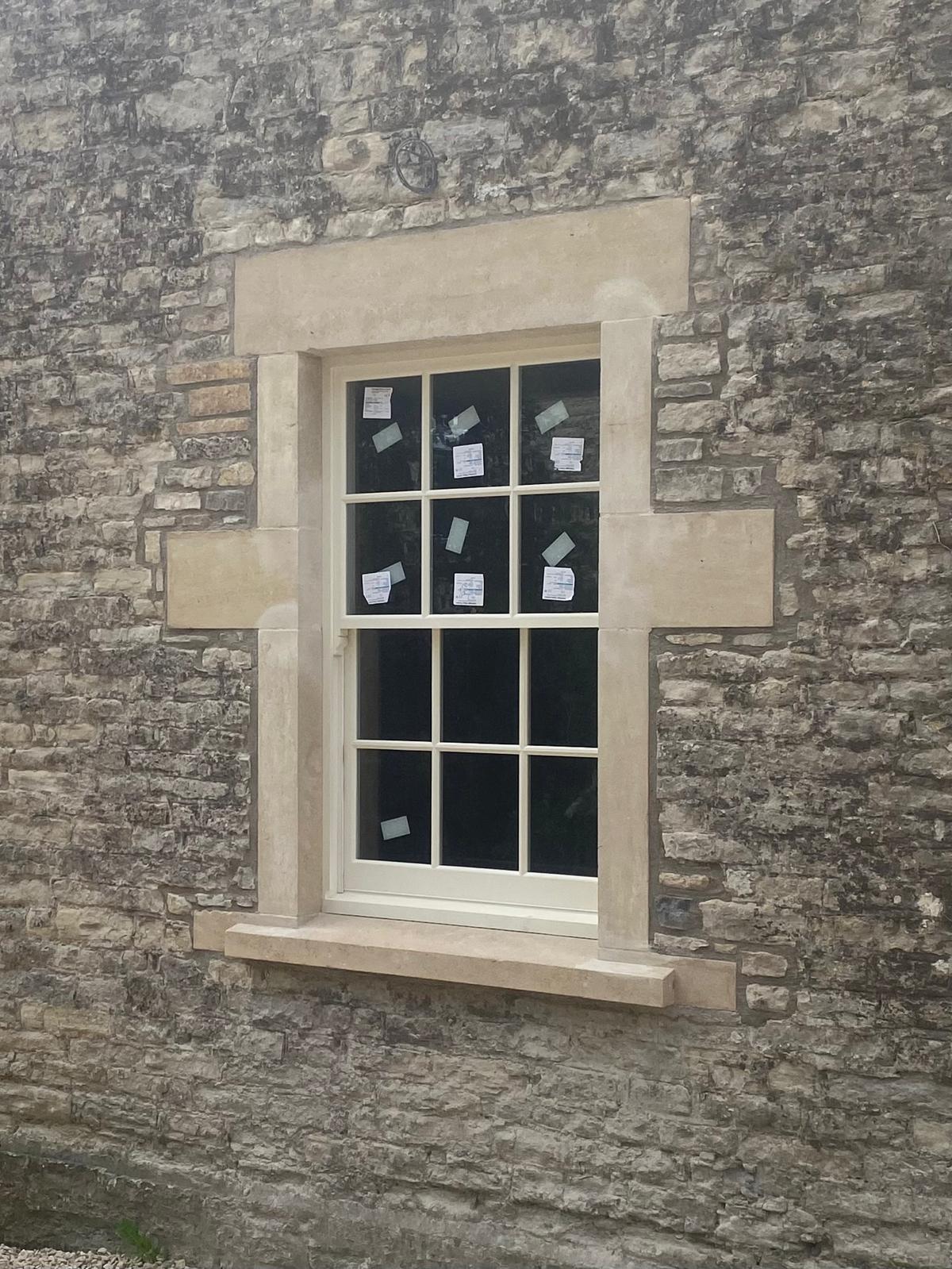
The repair method should be proportionate to the defect and suited to the surrounding material. A masonry project may include the following tasks where they are appropriate and agreed.
Examining the visible failure, its extent and nearby details before defining the physical repair work.
Removing defective joint material with care to limit avoidable damage to brick or stone arrises.
Refilling prepared joints using a mortar approach selected for the building and required exposure.
Supporting the affected area, removing failed units and installing the specified replacement lintel.
Taking down and reconstructing unstable or damaged areas where a surface repair would not be adequate.
Blending the repair area into surrounding construction as far as the available materials and condition allow.
Durable masonry repair begins with diagnosis and material compatibility. Appearance matters, but the repaired wall also needs to manage load and moisture appropriately.
Cracking or joint failure can have more than one cause. Active movement, water entry and failed supporting elements should not be ignored.
Mortar that is unnecessarily hard or unsuitable for the existing masonry can concentrate damage in softer brick or stone.
Lintel replacement and rebuilding around openings may need designed temporary support and a controlled sequence.
Colour, texture, joint profile and replacement masonry should be discussed, recognising that aged materials can be difficult to match exactly.
The programme and exact stages depend on the project. This is a useful outline for starting a clear conversation.
Send clear close-ups and wider photos showing where the issue sits within the elevation.
Review the visible condition, extent, access and whether professional structural input is needed.
Confirm preparation, material approach, temporary works and the boundaries of making good.
Remove failed material methodically, complete the agreed repair and protect fresh work as needed.
Check the finished area, surrounding interfaces and any aftercare relevant to the repair.
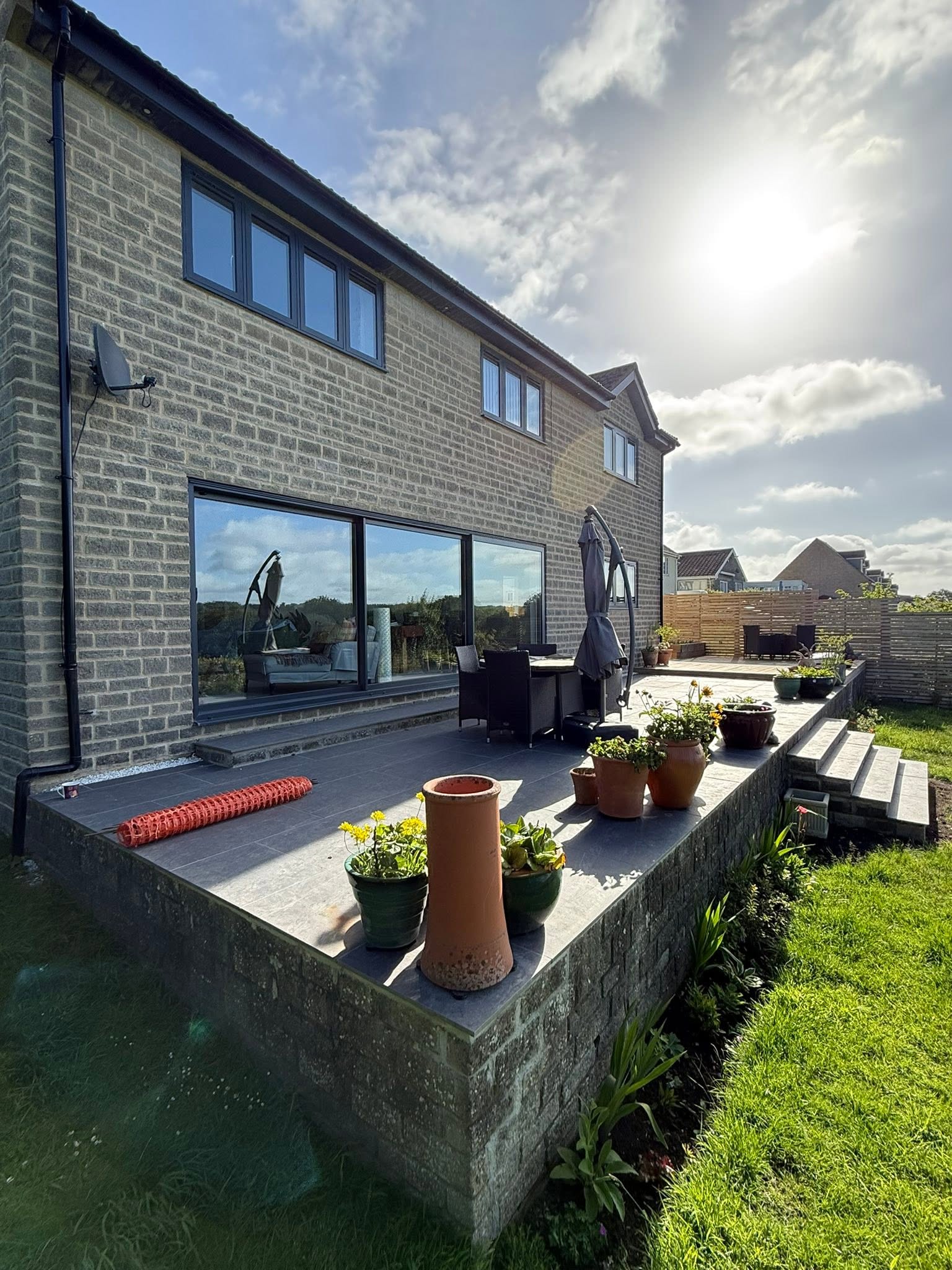
Widespread joint failure was removed and repaired to restore weather resistance, strength and the appearance of the brickwork.
View project gallery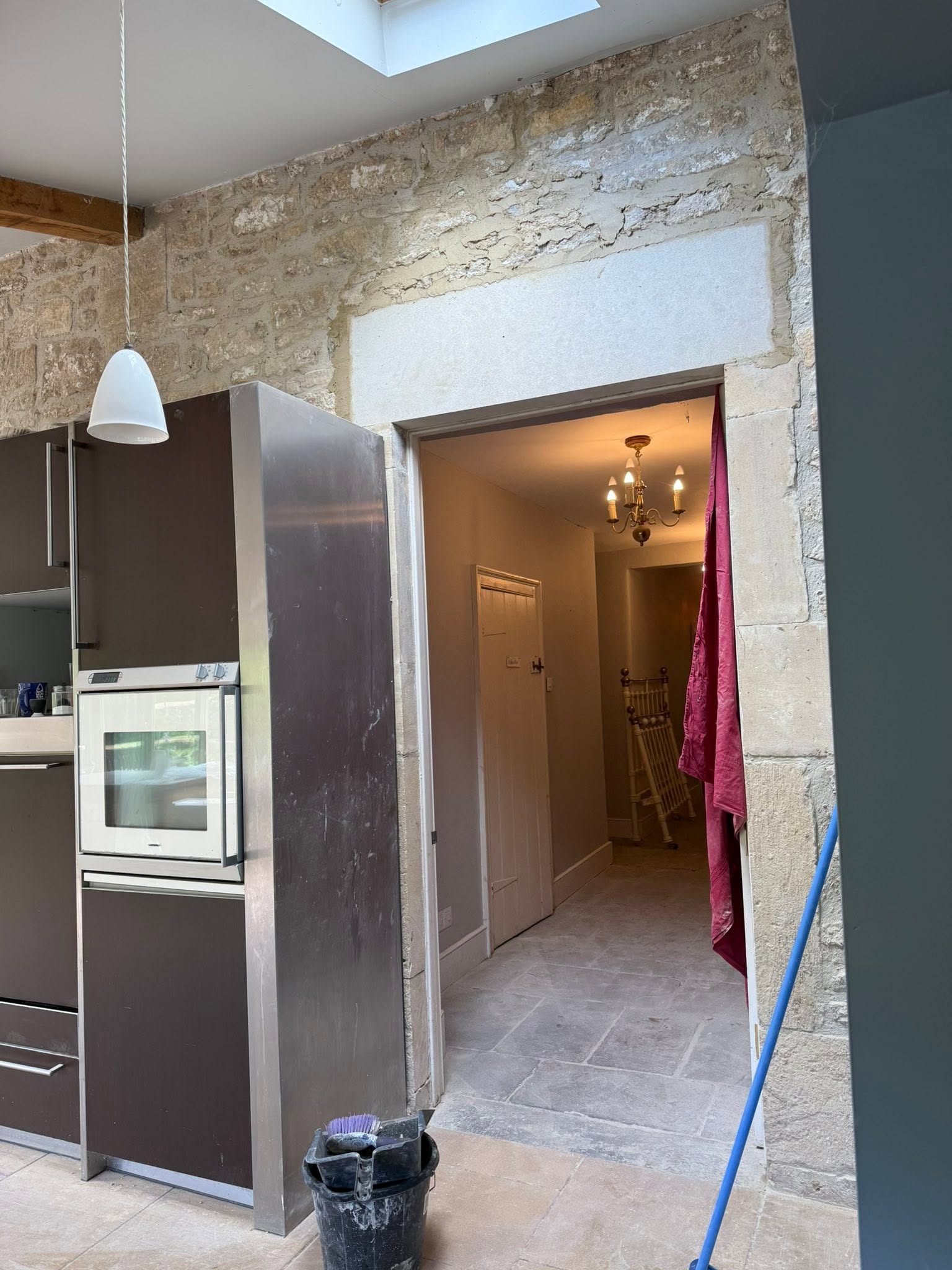
Failed original lintels were replaced with solid stone units while retaining the character of the building.
View project galleryCommon signs include loose or missing mortar, joints eroded well behind the face, water penetration and local instability. A site review is the best way to judge the extent and whether repointing alone is appropriate.
Not always. The cause, width, pattern and whether movement is active all matter. Structural concerns may need assessment by a suitably qualified engineer before a repair method is chosen.
Mortar should work with the masonry rather than trap moisture or become the hardest part of the wall. The appropriate mix depends on the existing construction, exposure and repair requirements.
The exact sequence depends on the opening and structural details. Work commonly requires the masonry above to be safely supported, the failed unit removed, the specified replacement installed and the surrounding area made good.
A close visual relationship can be sought through material, colour, texture and joint profile, but exact matching with weathered historic work cannot always be guaranteed. Expectations should be agreed before work.
Send the address, close and wide photographs, a description of when the issue was first noticed, any change over time, known leaks or previous repairs, and any survey or engineer’s information.
Send the location, a short outline, useful photos or drawings and your preferred timescale.