Condition-led opening up
Removing only what is agreed so concealed construction can be understood without unnecessary loss of sound material.
Careful restoration that respects an older building’s character, materials and history. SG Construction undertakes heritage home restoration across Somerset and surrounding areas.
Older and characterful properties reward a measured approach. Materials may behave differently from modern construction, details are rarely perfectly regular and a seemingly local intervention can affect the appearance or moisture movement of the wider building.
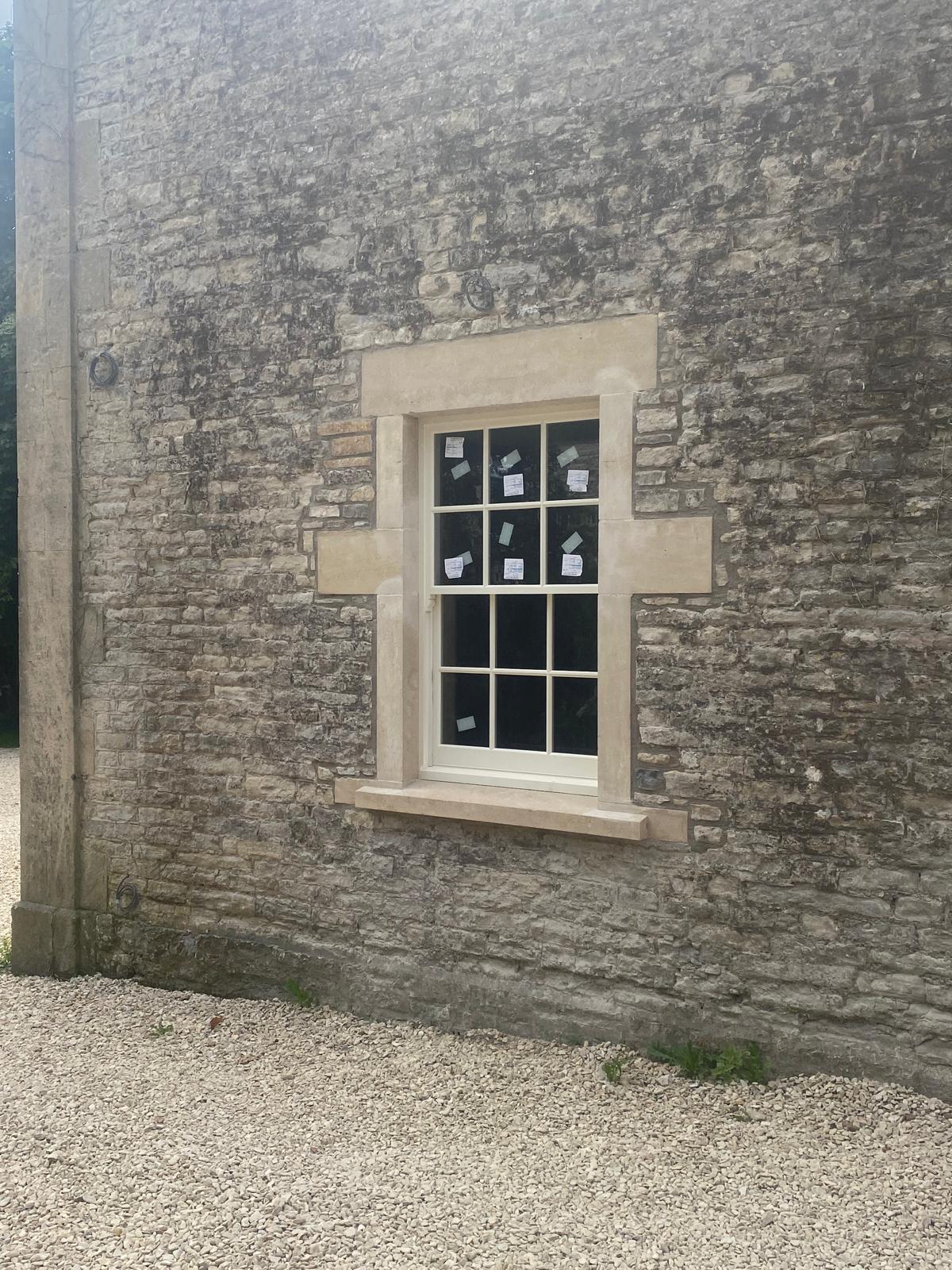
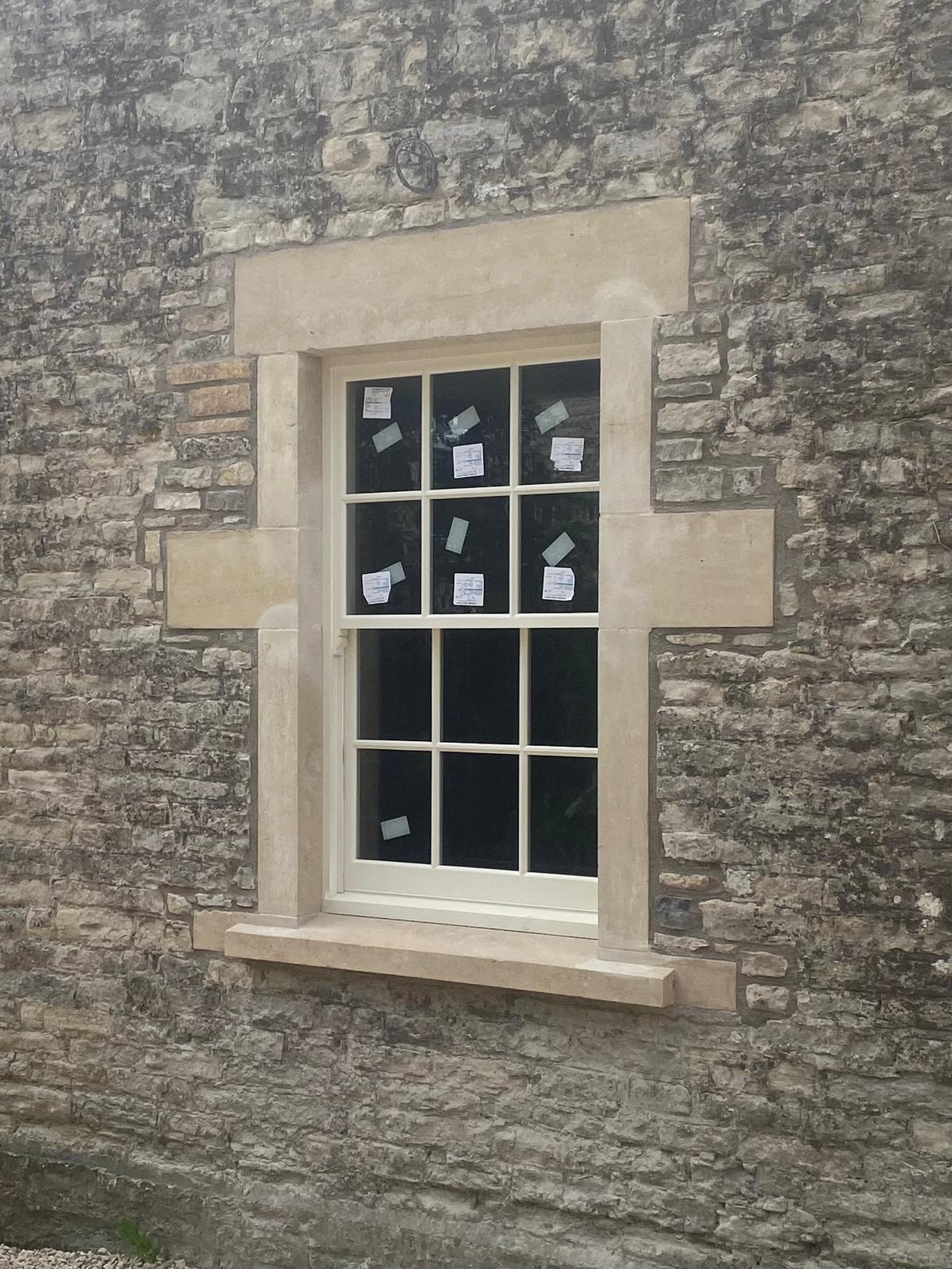
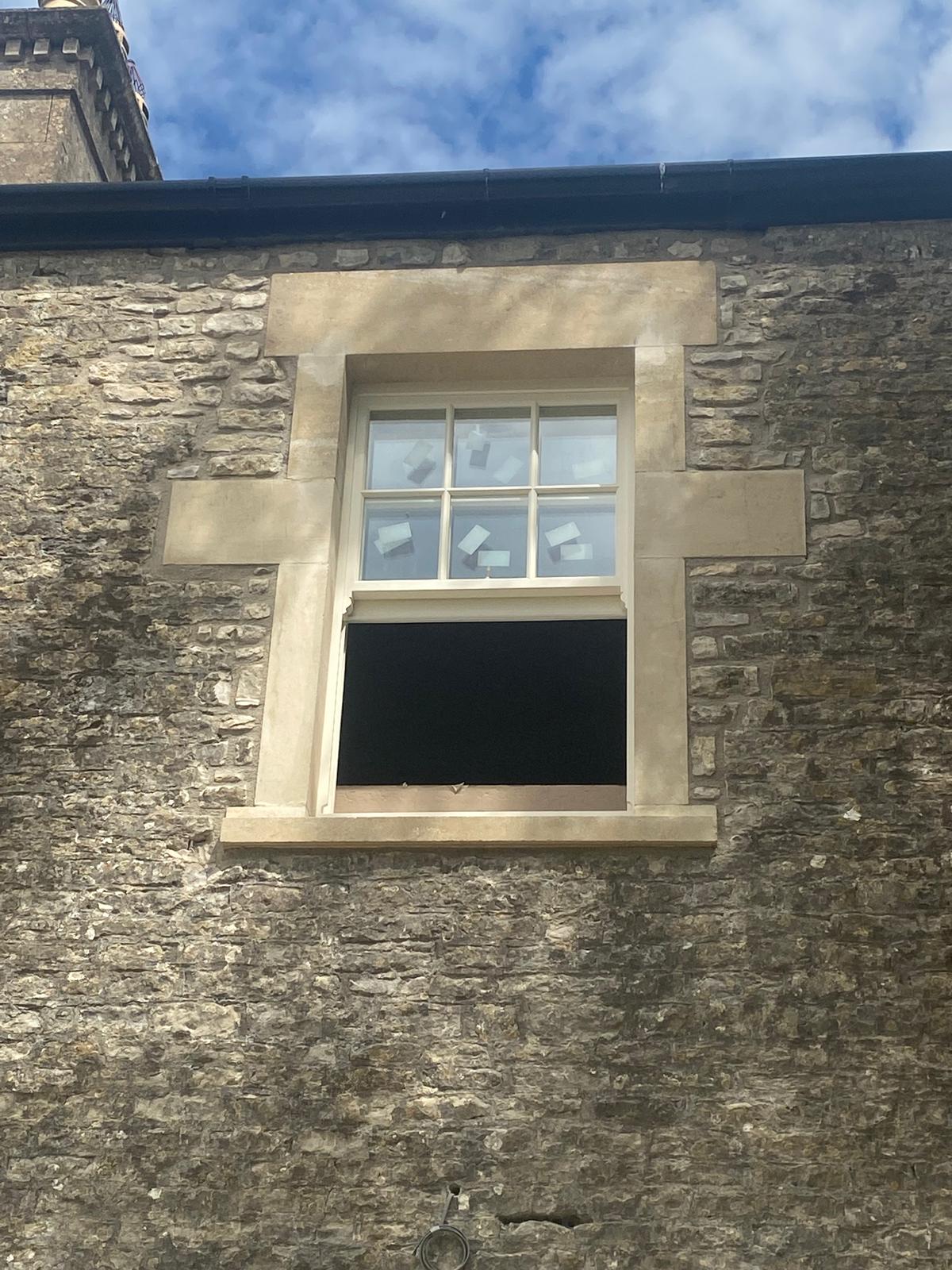
The restoration shown here focuses on the property’s stone openings, internal spaces, joinery and original materials. The aim is to preserve what makes the building distinctive while carefully renewing the areas that need work.
Heritage does not automatically mean listed, and every older building has different constraints. Before work is agreed, the property status, existing materials, condition and any professional conservation or structural requirements should be understood.
These selected views concentrate on restoration around stone openings, interior spaces, joinery and retained character.
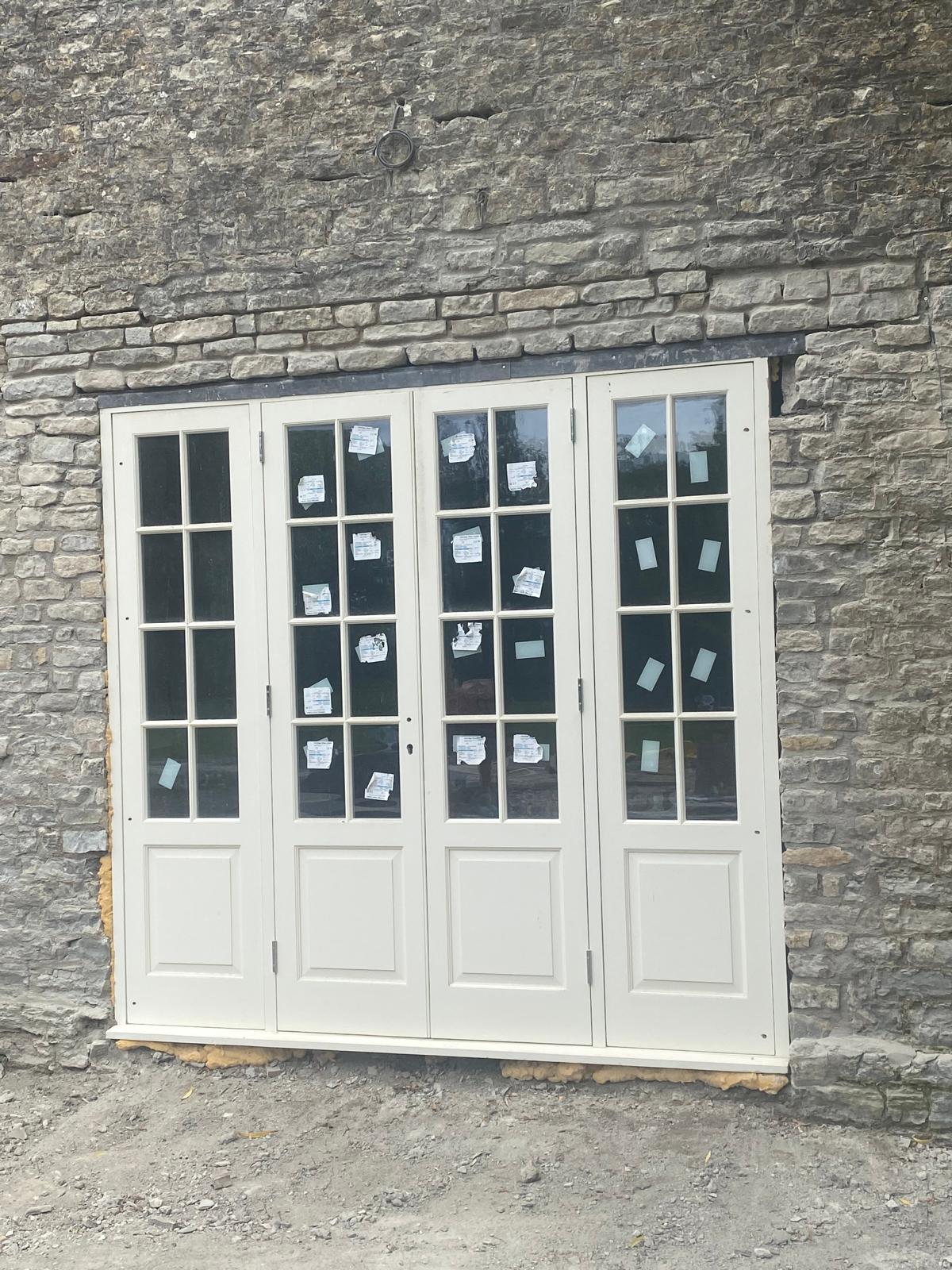
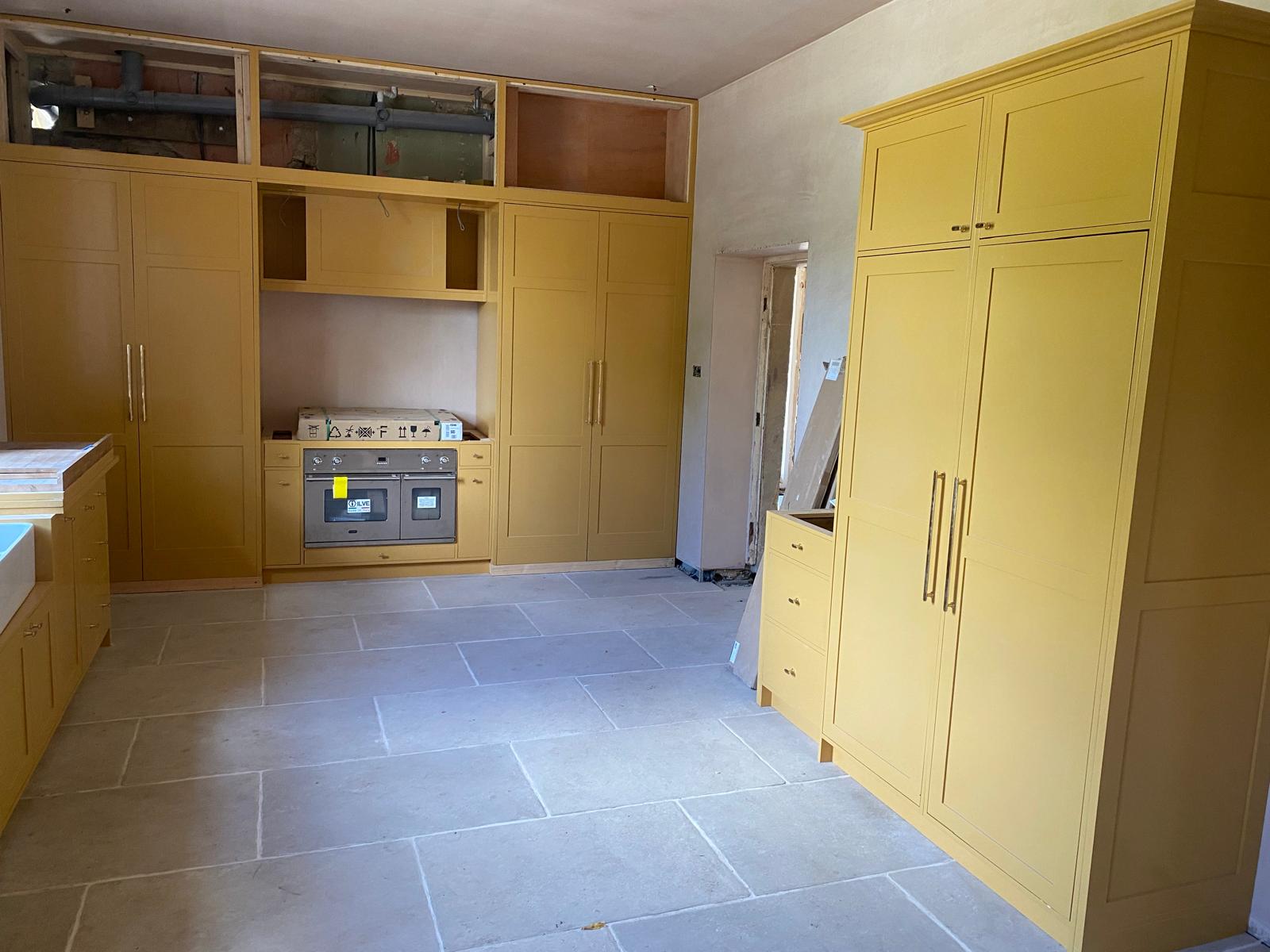
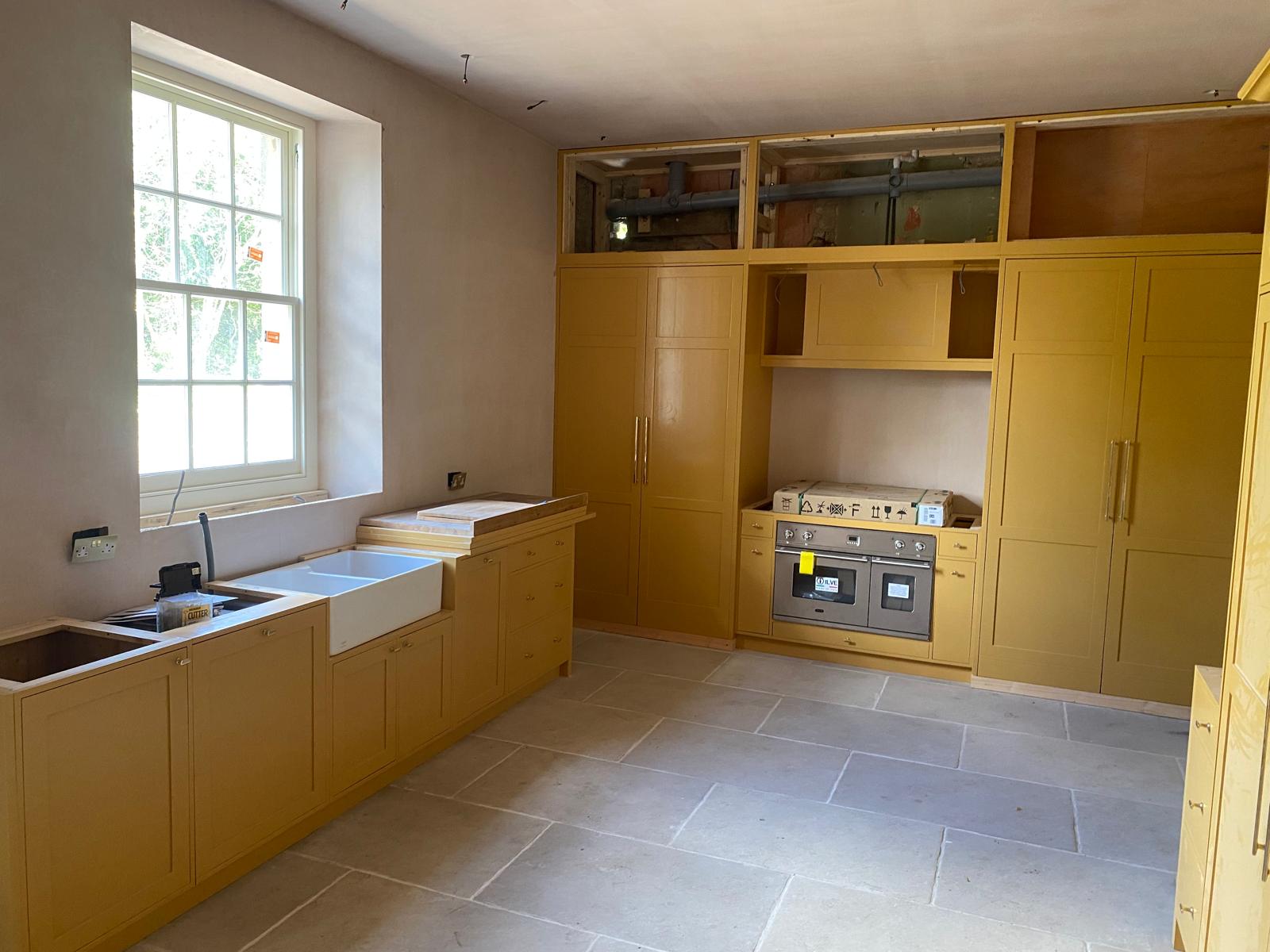
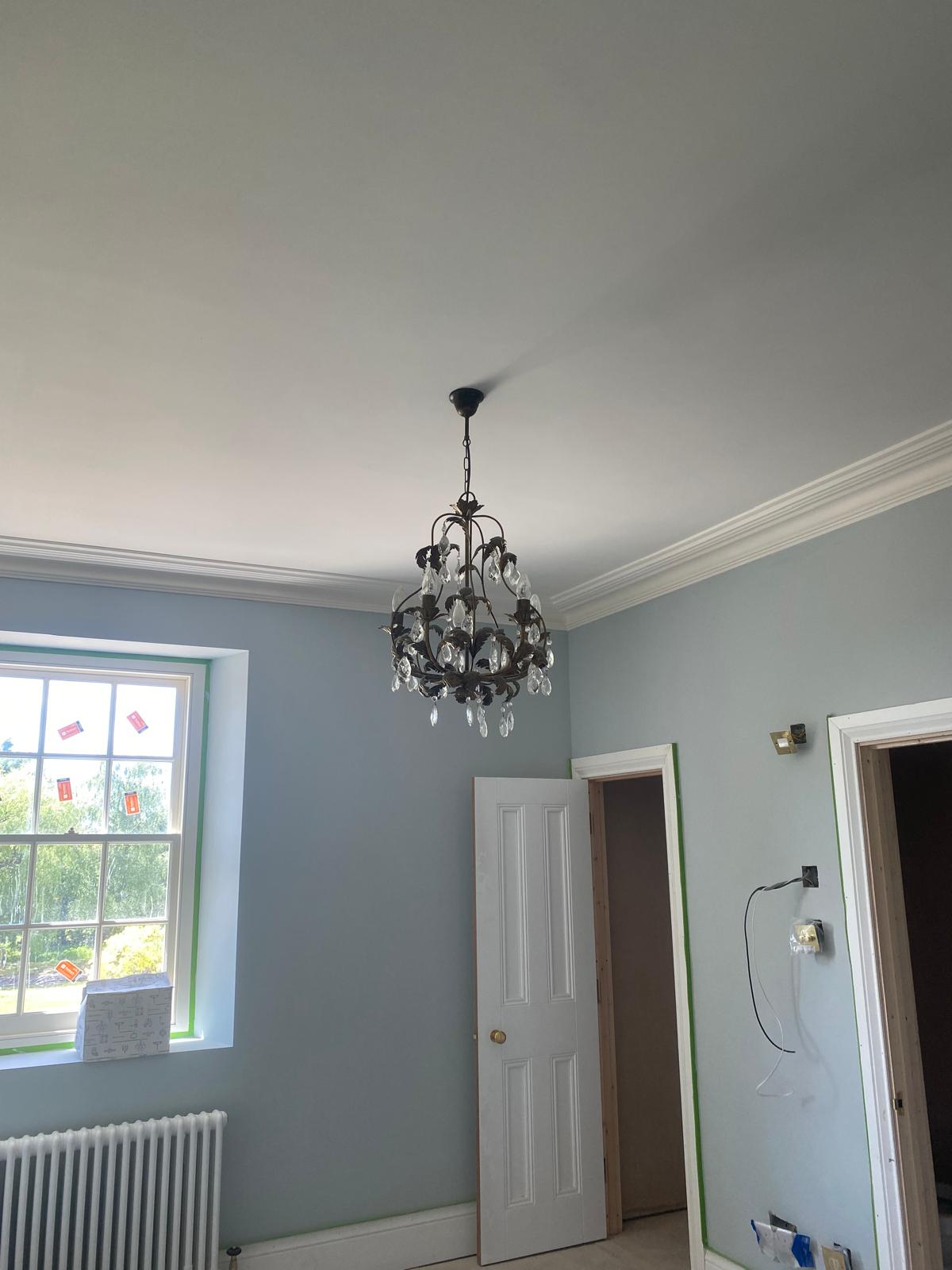
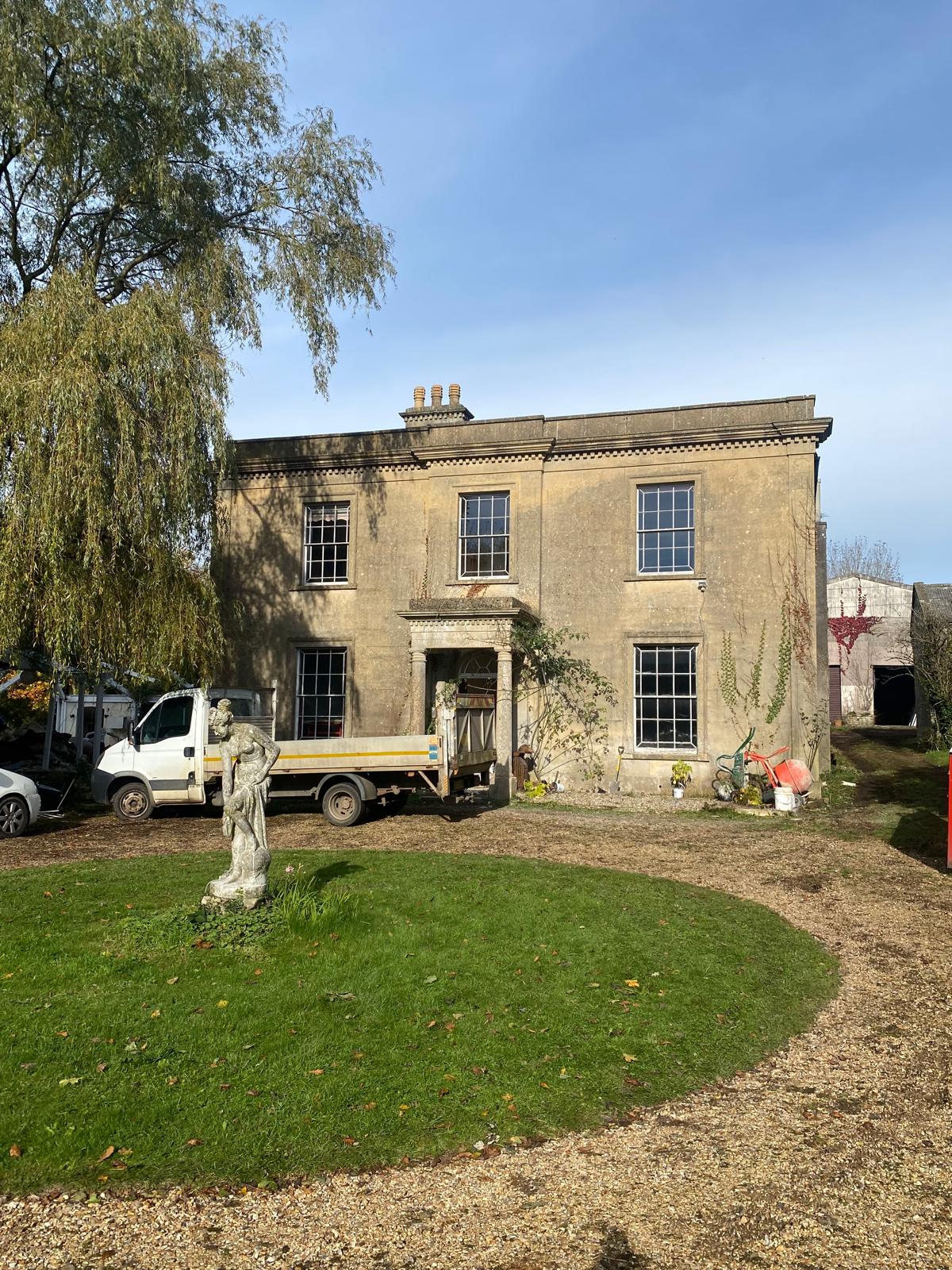
The exact work depends on the building and approved approach. Heritage restoration may bring together selective opening up, careful repair, retained materials and sensitive reinstatement.
Removing only what is agreed so concealed construction can be understood without unnecessary loss of sound material.
Retaining serviceable fabric and concentrating new work where deterioration or alteration makes it necessary.
Repairing and making good around stone windows, doors and other character-defining masonry.
Retaining and repairing useful original elements while integrating necessary new work carefully.
Reinstating or making good visible junctions, profiles and finishes with attention to the existing building.
Returning repaired areas to a coherent finish so the completed work sits comfortably with retained construction.
The most successful restoration decisions are based on significance, condition and compatibility. Appropriate professional advice may be needed before physical work begins.
Listed-building consent, planning controls or conservation-area considerations can apply even where the proposed change seems modest.
Decay, insect damage and persistent moisture should be properly understood; covering symptoms can shorten the life of new and retained material.
New stone, mortar, timber and finishes should be chosen to work appropriately beside the retained building fabric.
Photographs, careful labelling and a defined removal sequence can help preserve information and sound fabric during intervention.
The programme and exact stages depend on the project. This is a useful outline for starting a clear conversation.
Provide the address, property status, photos, surveys and what you know about the materials or previous repairs.
Discuss condition, elements to retain, proposed changes, access and any specialist advice already obtained.
Agree what will be protected, removed, repaired, replaced or introduced, and how material choices will be confirmed.
Progress in a controlled sequence, responding to actual conditions while keeping changes to scope transparent.
Complete making good and review how the new work sits beside the retained building and its character.
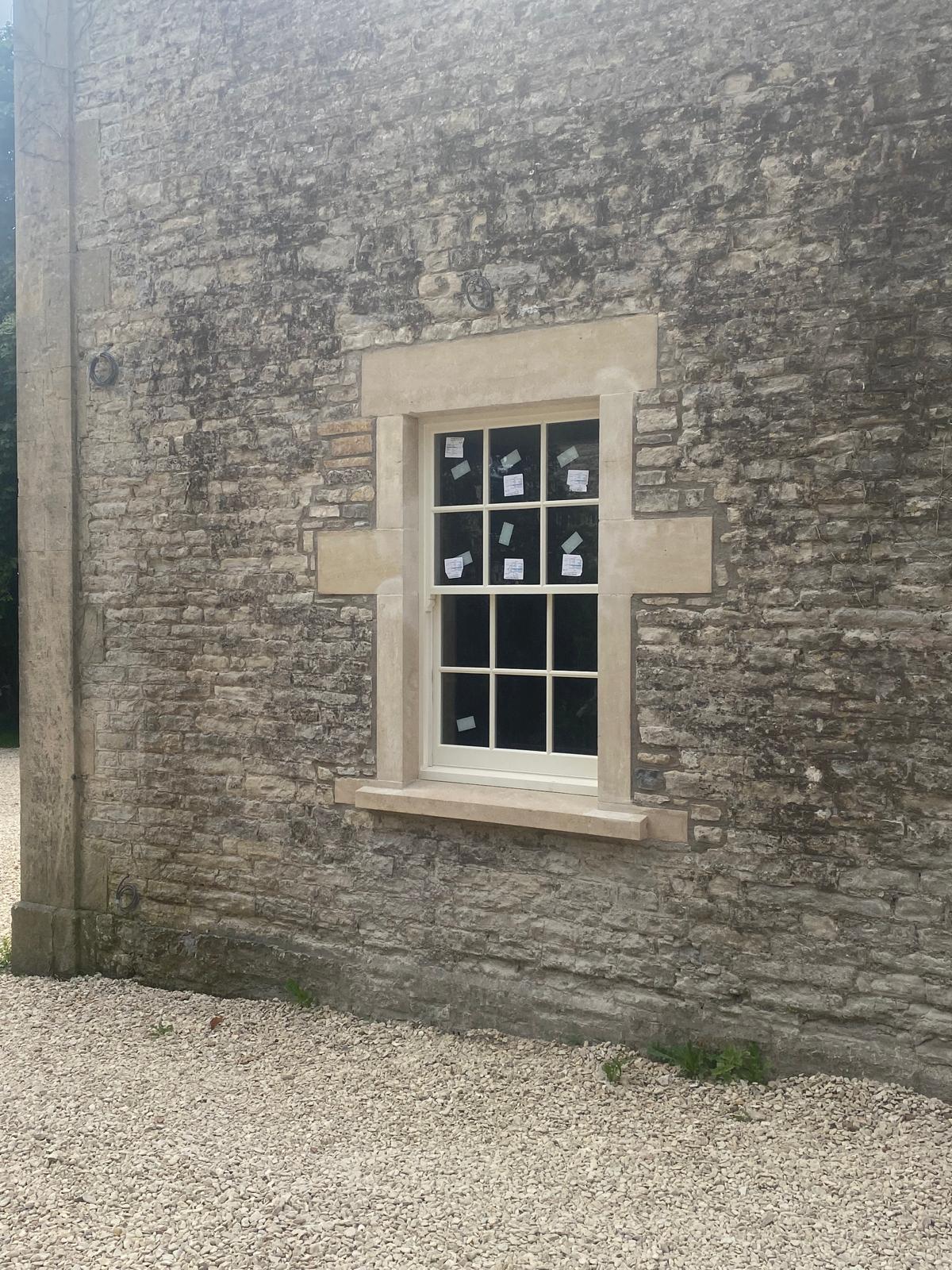
A careful restoration focused on stone openings, internal spaces, joinery and the property’s original character.
View project gallery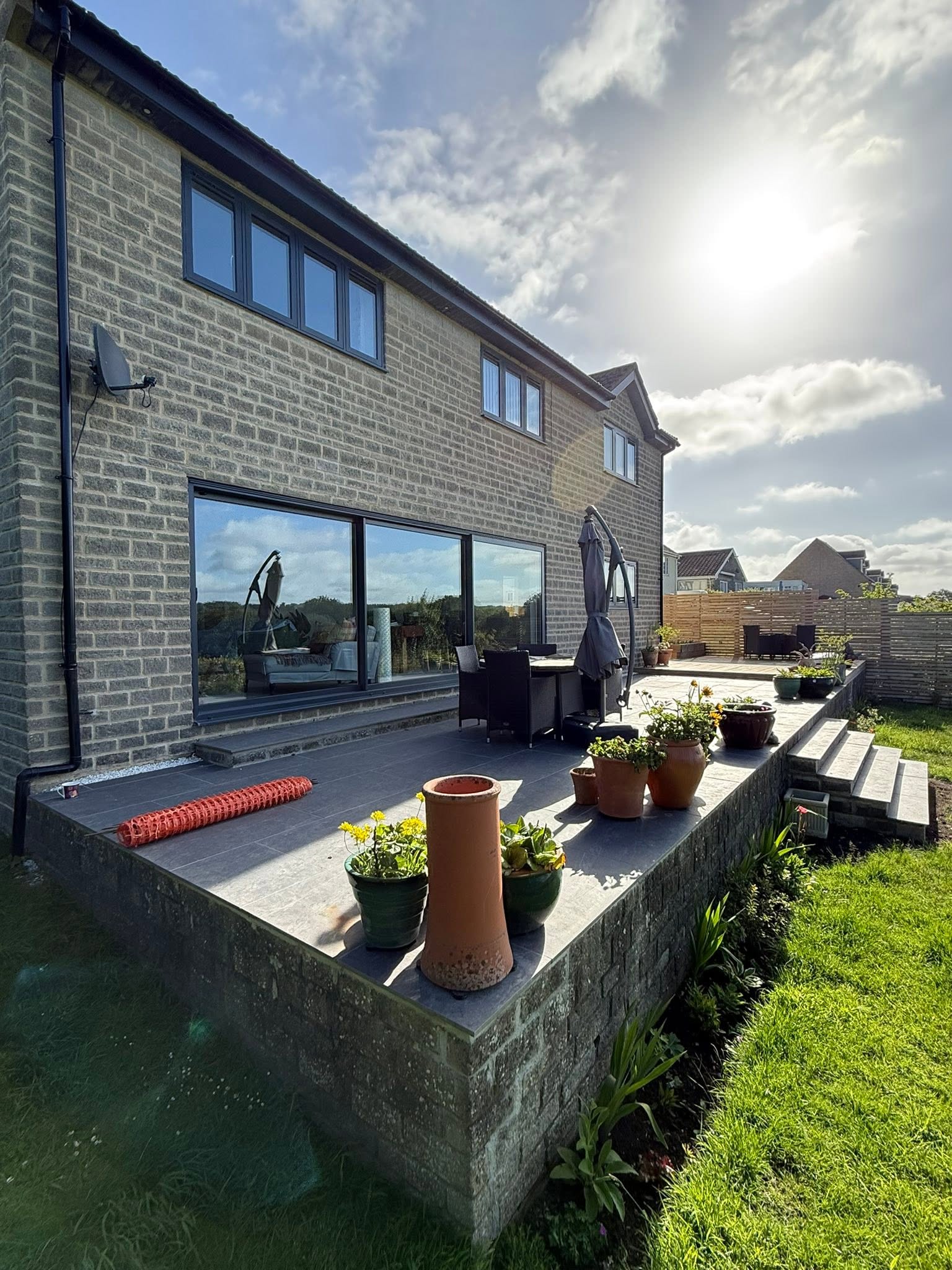
Failed mortar joints were carefully renewed to restore strength, weather resistance and the appearance of the existing masonry.
View project galleryNot always, but listed status, conservation-area controls, Article 4 directions and the nature of the change can affect permissions. Confirm the property status and required consents before starting work.
Often that is the preferred objective where stone, joinery or internal fabric is sound or can be appropriately repaired. The decision depends on condition, function, moisture and the agreed design.
The existing material, condition, exposure and moisture behaviour should be understood before a repair is chosen. New work should be compatible and sit comfortably beside retained masonry.
The starting point is the condition, significance and function of the existing fabric. Sound material and characterful details are retained wherever the agreed design and required performance allow.
Discuss the exact property and proposed work with SG Construction. Any listed-building consent, conservation input, specialist specification or approved detail must be in place where required.
Send the address, listing or conservation status if known, photos, surveys, drawings, known material history, defects, proposed changes and any advice already received from a designer or conservation professional.
Send the location, a short outline, useful photos or drawings and your preferred timescale.